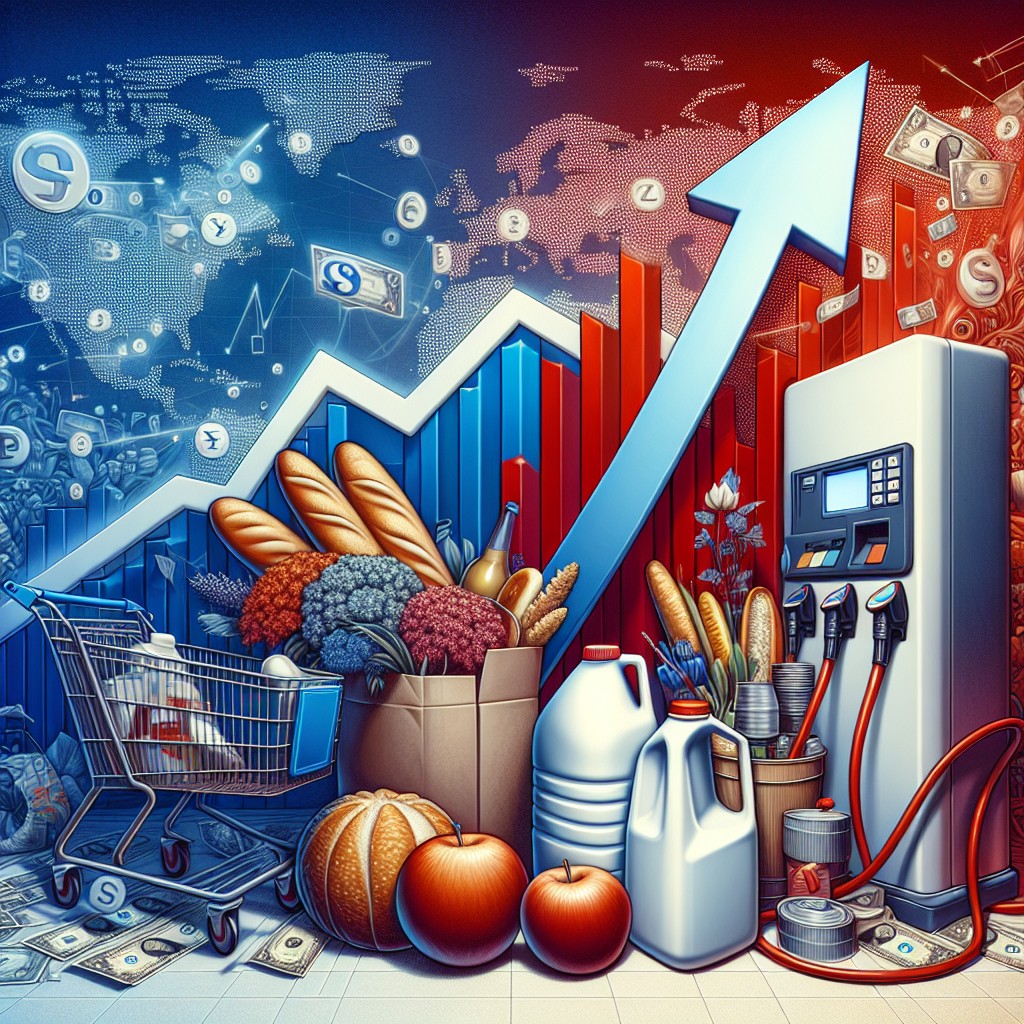
Inflation remains a key economic concern worldwide, affecting both consumers and businesses. While conventional wisdom suggests that inflation generally accelerates alongside robust demand, recent trends indicate that prices can continue rising even as demand weakens. This paradox has drawn attention from economists, policymakers, and market watchers seeking to understand the underlying factors driving persistent inflationary pressures in a slowing global economy.
Supply Chain Disruptions and Inflation
One of the primary contributors to ongoing inflation despite slower demand is the continued disruption of supply chains. Events such as the COVID-19 pandemic, geopolitical tensions, and natural disasters have caused bottlenecks and shortages across various industries. These disruptions limit the availability of goods and raw materials, pushing suppliers to raise prices regardless of lower consumer demand. As a result, inflationary pressures in sectors like manufacturing and transportation remain elevated, reflecting the imbalance between constrained supply and cautious consumption.
Cost-Push Factors Driving Prices Higher
Cost-push inflation is another significant factor influencing price increases even when demand slows. Businesses confronted with rising input costs—including labor, commodities, and energy—often transfer these expenses to consumers to maintain profit margins. For example, fluctuations in oil prices can lead to higher transportation and production costs, impacting a broad range of goods and services. Such cost escalations contribute to an inflationary environment that is not directly linked to demand-side growth but rather to the expense side of the economic equation.
Monetary Policy and Inflation Dynamics
Monetary policy decisions by central banks also play a crucial role in shaping inflation trends. In recent years, expansive monetary policies including low interest rates and quantitative easing have increased liquidity in financial markets. While these measures aim to stimulate economic activity, they can also lead to excess money supply relative to goods and services, creating inflationary tendencies. Even as demand softens in some sectors, the residual effects of prior monetary stimulus can sustain inflation, complicating the task of achieving price stability.
Labor Market Conditions and Wage Inflation
Labor market dynamics significantly influence inflation through wage pressures. In many economies, labor shortages persist in certain industries, leading to upward pressure on wages. Higher wages translate into increased production costs and greater purchasing power, which can contribute to inflation. This wage-driven inflationary pressure can exist independently of overall demand trends, particularly if productivity gains do not keep pace with rising labor costs.
Expectations and Inflation Persistence
Inflation expectations held by consumers, businesses, and investors affect actual inflation outcomes. When participants anticipate continued price increases, they may adjust their behavior accordingly—demanding higher wages, preemptively raising prices, or accelerating purchases before prices climb further. These behavioral patterns can entrench inflation even when economic fundamentals such as demand weaken. Therefore, the psychological and anticipatory aspects of inflation play a critical role in its persistence globally.
In summary, the movement of inflation during periods of slowing demand underscores the complexity of inflationary drivers. Supply-side constraints, cost increases, monetary conditions, labor market pressures, and inflation expectations interact in multifaceted ways to sustain inflation in the current economic environment. Analysts and policymakers must consider this wider context when designing measures to manage inflation, as simplistic demand-focused perspectives may not capture the full picture.
Looking ahead, global inflation is likely to moderate gradually as supply bottlenecks ease and central banks continue to adjust monetary policies. However, vigilance is necessary to monitor evolving factors that could maintain upward price pressures, ensuring that inflation remains under control without unnecessarily hindering economic recovery.
Frequently Asked Questions about inflation
What causes inflation to rise even when consumer demand slows?
Inflation can rise despite slowing demand due to supply chain disruptions, rising production costs, labor market pressures, and inflation expectations that prompt businesses and consumers to adjust prices and wages accordingly.
How do supply chain issues impact inflation?
Supply chain problems reduce the availability of goods and materials, increasing production costs, which businesses often pass on to consumers, contributing to sustained inflation regardless of demand fluctuations.
What role does monetary policy play in controlling inflation?
Monetary policy, through mechanisms like interest rates and liquidity management, influences inflation by affecting spending and investment levels. Central banks aim to balance these factors to keep inflation within target ranges.
Can wage increases lead to inflation?
Yes, rising wages can raise production costs and consumer purchasing power, which may lead to higher prices if productivity does not rise correspondingly, thereby fueling inflation.
Where can I find more information about global inflation trends?
Reliable information on inflation can be found through institutions such as the International Monetary Fund and news outlets like the BBC Business, which provide regular updates and analysis on inflation worldwide.