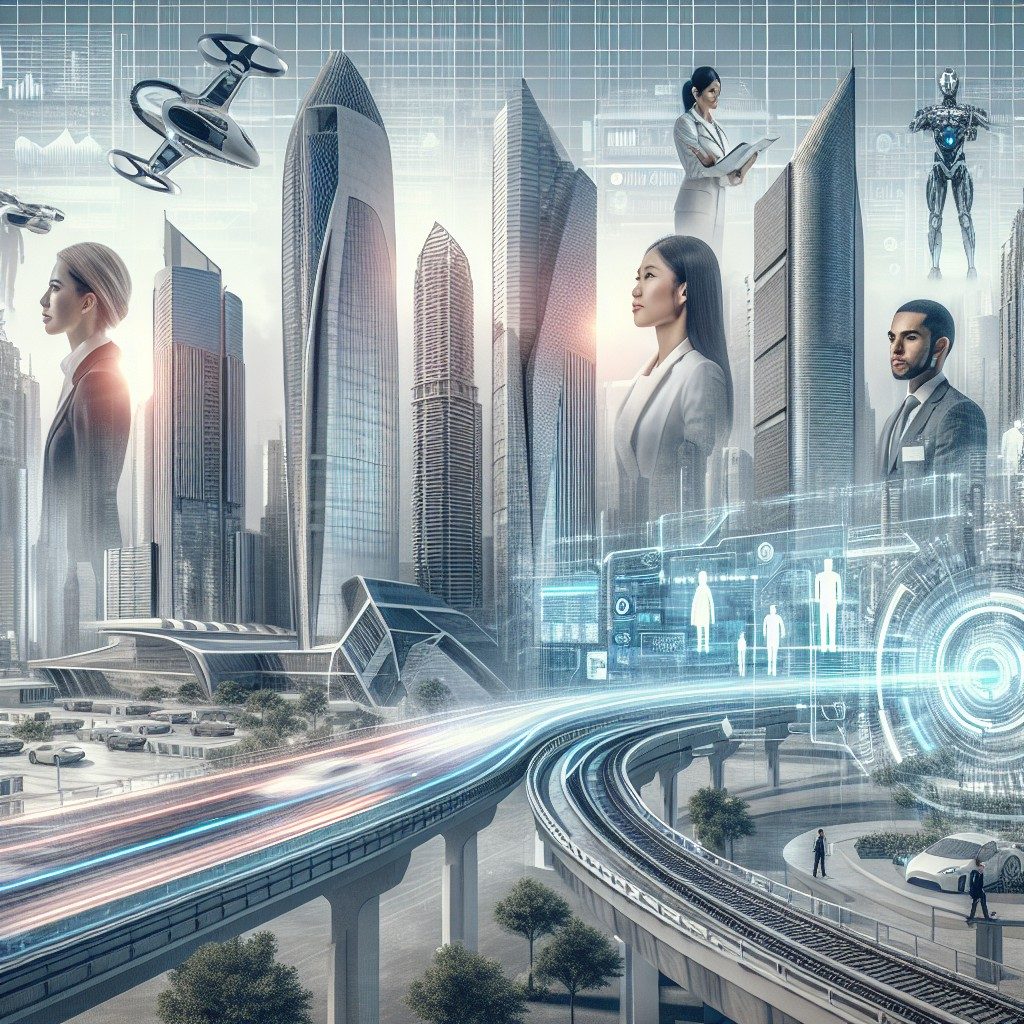
As we approach the midpoint of the decade, new Employment Statistics are revealing significant trends that could alter the workforce landscape by 2026. Analysts and economists are paying close attention to these figures, which reflect shifts in technology, demographics, and economic conditions. Understanding these developments is crucial for businesses, policymakers, and job seekers alike.
Current Employment Landscape
According to reports from the U.S. Bureau of Labor Statistics, the employment rate has seen fluctuating changes over the past few years. The aftermath of the global pandemic sparked unprecedented shifts in various sectors, leading to an ongoing reevaluation of workplace structures. Key industries such as healthcare, technology, and renewable energy are demonstrating growth, while traditional sectors like retail and manufacturing are adapting to new trends. The changing nature of work has direct implications for the Employment Statistics that will shape the economy heading into 2026.
Impact of Technology and Automation
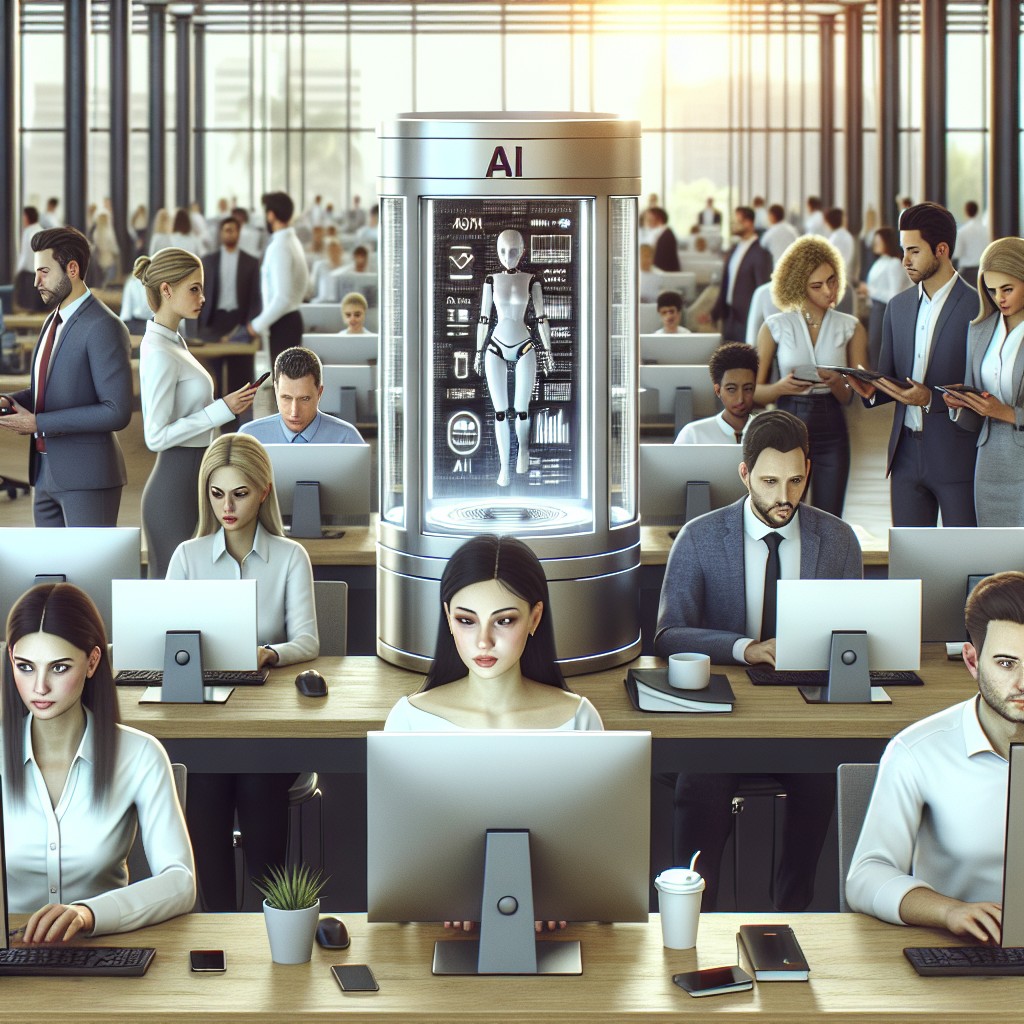
Advancements in technology are fundamentally altering job roles and necessary skills in the labor market. Automation and artificial intelligence are replacing many routine tasks, which is influencing Employment Statistics across sectors. Workers are now required to acquire new skills to remain competitive. Training and reskilling initiatives are becoming vital as companies seek innovative solutions. Future projections suggest that by 2026, sectors heavily reliant on manual labor may experience significant declines, while those embracing digital transformation should anticipate job growth.
Demographic Changes and Workforce Diversity
Demographic shifts are also a crucial factor in shaping future Employment Statistics. As the workforce becomes increasingly diverse—with younger generations entering the job market—there are heightened expectations regarding workplace inclusivity and corporate social responsibility. Companies are evolving their hiring practices to attract talent from various backgrounds. This shift not only enhances innovation within teams but also reflects the changing consumer demographics that businesses serve. The adaptation to these demographic trends is expected to influence employment statistics significantly as we progress towards 2026.
Concluding Thoughts on Employment Trends
In conclusion, the employment statistics for the coming years suggest a dynamic workforce transformation influenced by technology, demographics, and economic factors. Businesses and policymakers must remain adaptive to these shifts to ensure a resilient labor market. Proactive measures, including continued investment in employee training and a commitment to diversity, will be critical in navigating the expected changes by 2026. As these trends unfold, ongoing analysis will be essential to understand their implications fully.
Frequently Asked Questions about Employment Statistics
What are Employment Statistics important for?
Employment statistics are critical for understanding labor market trends, helping businesses, policymakers, and researchers make informed decisions.
How often are Employment Statistics released?
Employment statistics are typically released monthly by organizations such as the Bureau of Labor Statistics, providing updated insights into job markets.
Where can I find accurate Employment Statistics?
Accurate employment statistics can be found on government websites such as the Bureau of Labor Statistics and international labor organizations.
What factors influence Employment Statistics?
Factors influencing employment statistics include economic conditions, technological advancements, and demographic changes.
How do Employment Statistics impact job seekers?
Employment statistics provide job seekers with vital information about industry trends and opportunities, aiding them in making informed career choices.