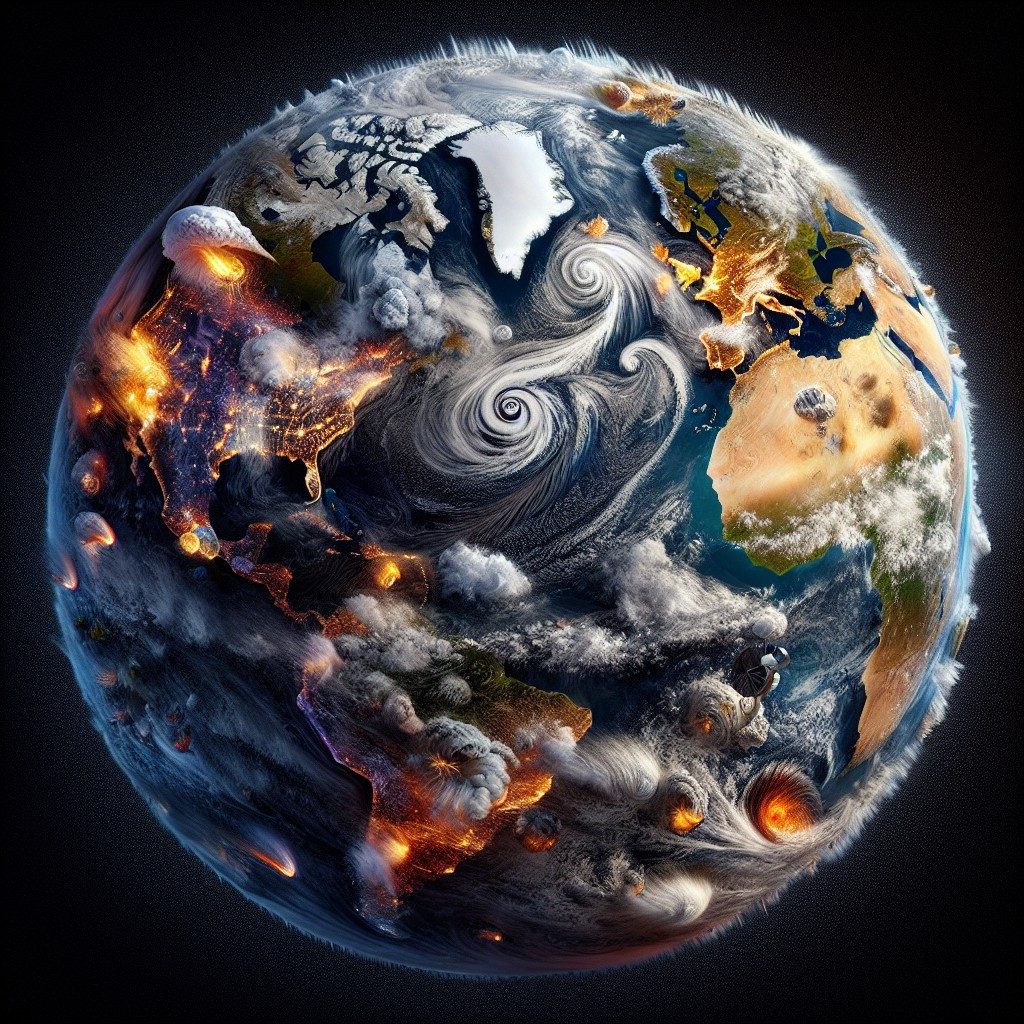
As global temperatures continue to rise, climate experts are sounding alarms over unprecedented weather patterns predicted for 2026. A recent climate analysis reveals that the implications of these patterns could affect ecosystems, economies, and daily life across the globe. This article dives into the details behind these forecasts and what they might mean for the future.
The Rise of Extreme Weather Events
Recent climate analysis indicates a dramatic increase in extreme weather events by 2026, with scientists predicting more intense hurricanes, wildfires, and flooding. This surge is attributed to the relentless rise in global greenhouse gas emissions, which have reached alarming levels. According to the Intergovernmental Panel on Climate Change (IPCC), the frequency of severe weather phenomena is expected to escalate, creating challenges for disaster preparedness and response systems worldwide.
Impact on Natural Resources and Agriculture
Moreover, the climate analysis indicates that changing weather patterns could lead to significant shifts in agricultural productivity. Regions traditionally known for their agricultural output might face water shortages due to prolonged droughts, while others could experience crop failings due to unexpected heavy rains. These shifts not only threaten food security but also affect local economies reliant on agriculture. Agriculture experts are urging governments to invest in adaptive strategies that could mitigate these risks.
Global Response and Future Projections
The alarming predictions of the climate analysis have catalyzed discussions among global leaders about the need for urgent action. International bodies such as the United Nations are advocating for accelerated carbon reduction strategies and increased investment in renewable energy sources. The predicted weather patterns underscore the importance of global collaboration to tackle climate change. Scientists and policymakers alike understand that without substantial intervention, the consequences of worsening climate conditions will no doubt intensify by 2026.
Frequently Asked Questions about Climate Analysis
What is the significance of the climate analysis for 2026?
The climate analysis for 2026 provides crucial insights into expected weather patterns, helping communities prepare and adapt to future climate conditions.
How do experts conduct climate analysis?
Experts use a variety of climate models and historical data to conduct climate analysis, which helps predict future weather trends and patterns.
What are some predicted effects highlighted by the climate analysis?
The climate analysis highlights potential increases in extreme weather events, agricultural disruptions, and shifts in natural ecosystems.
What role do international organizations play in climate analysis?
International organizations provide frameworks and guidelines that support global climate analysis efforts, encouraging collaborative approaches to address climate change.
Where can I find more information on climate analysis?
For more detailed insights and updates on climate analysis, you can refer to the findings published by reputable organizations such as the Intergovernmental Panel on Climate Change.