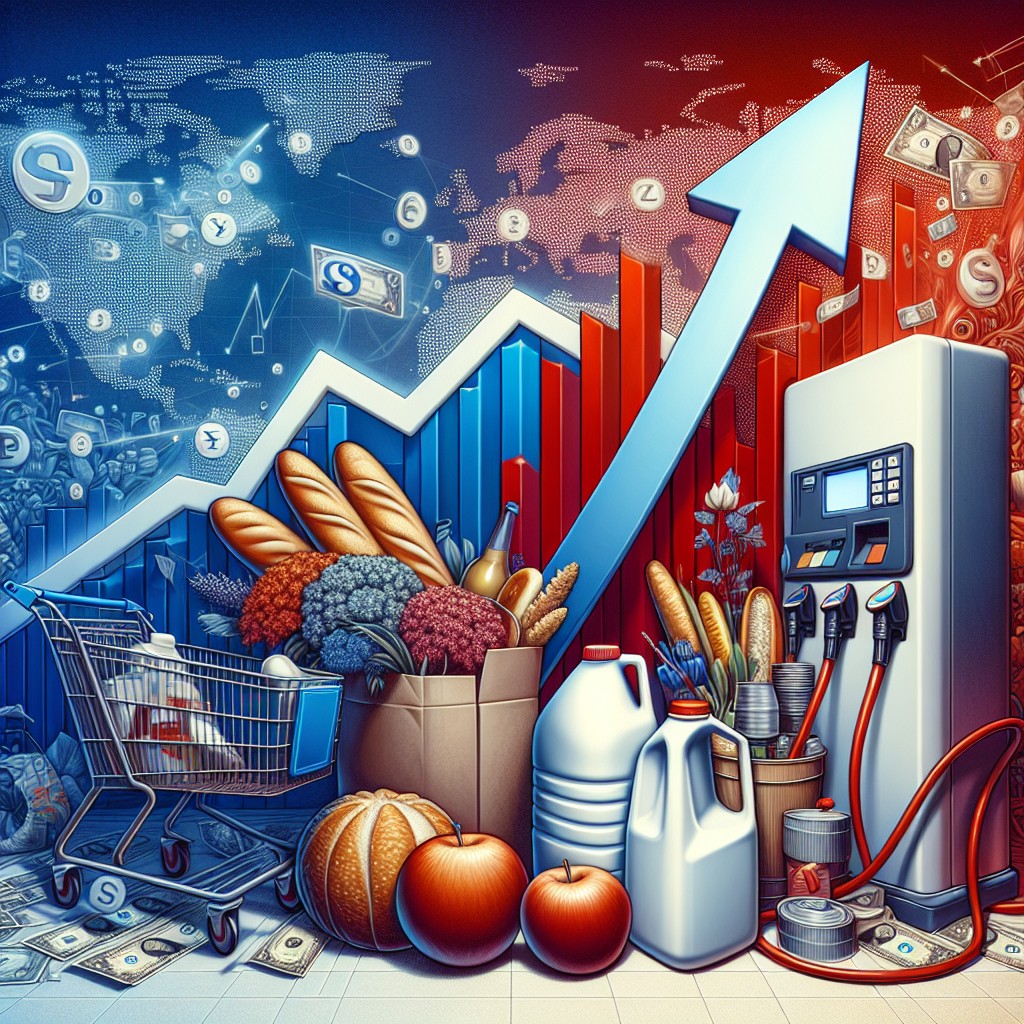
This winter, Romanian households and businesses face a challenging economic environment as inflation trends continue to impact living costs and purchasing power. Understanding the Romania inflation signals is essential for navigating financial decisions in the months ahead.
Recent Trends in Romanian Inflation
Romania has experienced fluctuating inflation rates in recent months, influenced by both domestic and international economic factors. Official data from the National Institute of Statistics indicate that inflation remains elevated compared to previous years, primarily driven by rising energy prices, food costs, and supply chain disruptions. The Romania inflation signals portray a complex scenario where short-term volatility coexists with longer-term inflationary pressures.
Energy Prices and Their Impact on Household Budgets
Energy costs are a significant contributor to inflation within Romania, affecting electricity, gas, and heating expenses during the colder months. With global energy markets experiencing instability, Romanian consumers are witnessing increased utility bills. This rise directly influences household budgets, reducing disposable income available for other essential and discretionary spending needs. As a result, many families may need to adjust their consumption patterns to cope with higher energy expenditures.
Food Inflation and Consumer Spending
The cost of food items in Romania has also shown upward pressure, with inflation signals pointing to a consistent rise in prices of staple goods such as bread, dairy, and fresh produce. Factors such as adverse weather conditions, higher transportation costs, and global commodity price shifts have contributed to this upward trend. For the average consumer, these inflation signals translate into noticeably higher grocery bills, which can strain daily finances, particularly for low- and middle-income households.
Government Response and Monetary Policy
The Romanian government and the National Bank of Romania have acknowledged the current inflationary challenges, employing a mix of fiscal measures and monetary policy adjustments to address rising prices. Interest rate decisions and inflation targeting remain key tools in their strategy to maintain price stability. However, policymakers caution that external shocks and ongoing supply chain issues may limit their ability to swiftly curb inflation. These developments affect the broader economic outlook and household financial planning.
What Consumers Can Expect This Winter
Given the prevailing Romania inflation signals, consumers should anticipate continued pressure on their budgets throughout the winter season. Higher utility costs combined with increased food prices are likely to reduce discretionary spending and may necessitate careful management of personal finances. Awareness of these inflation signals and monitoring official updates can help individuals and businesses make informed decisions to mitigate economic strain.
Conclusion
The latest Romania inflation signals indicate sustained inflationary pressures that will affect everyday expenses this winter. While policy efforts aim to stabilize prices, external factors suggest that higher living costs may persist in the short term. For Romanian consumers and businesses, adapting to these realities will be critical to maintaining financial resilience during this period.
Frequently Asked Questions about Romania inflation signals
What are the main causes behind Romania inflation signals this winter?
The primary causes include rising energy prices, increased food costs, and supply chain disruptions, all contributing to elevated inflation levels across Romania.
How do Romania inflation signals impact everyday household expenses?
These inflation signals lead to higher utility bills and more expensive groceries, which reduce disposable income and increase the cost of living for Romanian households.
What measures is the Romanian government taking in response to inflation signals?
The government is implementing fiscal policies and the National Bank of Romania is adjusting monetary policy, including interest rate changes, to target inflation and stabilize the economy.
Can Romania inflation signals affect business operations this winter?
Yes, inflation can increase operational costs for businesses, particularly in areas such as energy consumption and procurement, influencing pricing strategies and profitability.
Where can consumers find reliable information about Romania inflation signals?
Consumers can follow updates from official sources like the National Institute of Statistics, the National Bank of Romania, and reputable international organizations such as the International Monetary Fund and the European Central Bank.