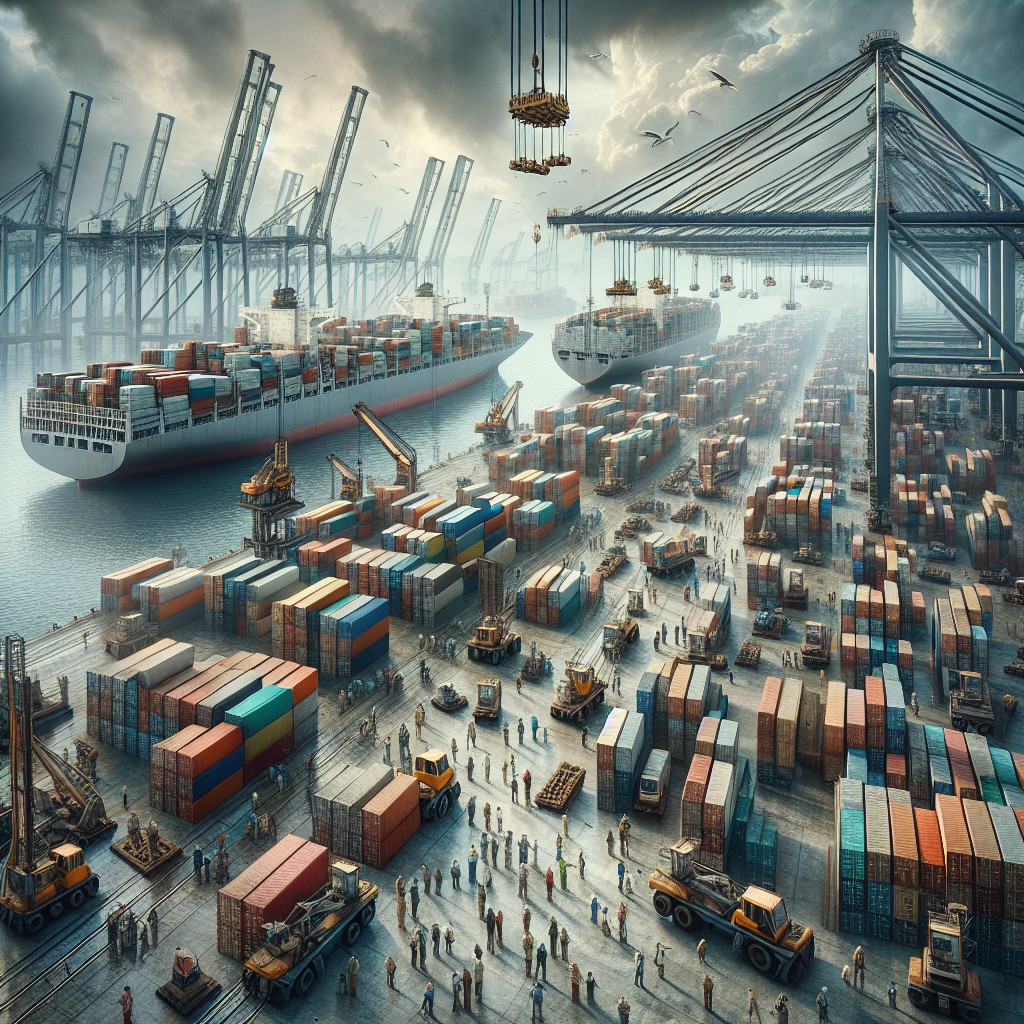
The landscape of global shipping has been increasingly challenged by various disruptions ranging from geopolitical tensions to natural disasters. These interruptions have forced stakeholders to reconsider traditional trade routes and implement adaptive strategies to sustain the flow of goods worldwide.
Growing Challenges in Maritime Trade
Recent years have seen a surge in unexpected obstacles affecting maritime transport. Issues such as the blockage of the Suez Canal by the Ever Given vessel in 2021, heightened piracy risks in certain regions, and fluctuating geopolitical conflicts have created uncertainty in global shipping operations. Furthermore, climate change contributes to unpredictable weather patterns, causing delays and demanding more flexible routing decisions.
Strategic Rerouting to Mitigate Risks
To address these challenges, shipping companies and logistic firms are exploring alternative routes that bypass high-risk areas. For instance, increased use of northern sea passages during summer months has been observed as ice melts in the Arctic, providing shorter transit options between Europe and Asia. Although these routes present environmental and regulatory concerns, they represent a significant shift in maritime logistics. Additionally, regional ports are being upgraded to handle increased volumes as companies diversify their entry and exit points to avoid congestion in traditionally busy hubs.
Technological Innovations Enhancing Route Planning
Advancements in technology play a critical role in enabling adaptive responses to shipping disruptions. Modern vessel tracking systems, artificial intelligence-driven route optimization, and real-time weather forecasting contribute to safer and more efficient navigation. These tools allow operators to anticipate and react quickly to emerging risks, minimizing delays and operational costs. Investment in these technologies is now a priority among major players in global shipping, emphasizing resilience and sustainability.
Impact on Global Supply Chains
The ripple effects of shipping disruptions extend beyond maritime borders, influencing supply chains worldwide. Manufacturers, wholesalers, and retailers have encountered inventory shortages and increased costs due to delayed shipments. To counter such volatility, companies are adopting more diversified sourcing and storage strategies. This includes increasing local inventories and working closely with logistics partners to build contingencies into shipping schedules.
The Role of International Cooperation
One of the vital responses to evolving risks in global shipping is enhanced cooperation among nations and international organizations. Efforts to secure critical trade corridors through coordinated naval patrols, streamlined customs processes, and shared intelligence have gained momentum. Regulatory frameworks are also being updated to reflect new environmental standards and cybersecurity concerns, fostering a safer trade environment.
Conclusion
As shipping disruptions continue to present significant challenges, the global shipping industry demonstrates adaptability through rerouting strategies, technological integration, and international collaboration. These measures collectively support the resilience of maritime trade, crucial for the functioning of global economies. Looking ahead, sustained investment in innovation and cooperative frameworks will likely be key drivers in managing future risks and ensuring smoother trade flows.
Frequently Asked Questions about global shipping
What are the main causes of disruptions in global shipping?
Disruptions in global shipping primarily arise from geopolitical tensions, natural disasters, maritime accidents, and increasingly, climate change-related events, all of which affect the regular operation of trade routes.
How are trade routes adapting to new risks in global shipping?
Trade routes are adapting by exploring alternative pathways like the Arctic passages, improving port infrastructure, and using advanced technology for route planning to avoid high-risk areas and reduce delays.
What role does technology play in addressing disruptions in global shipping?
Technology enhances the ability to predict, monitor, and respond to disruptions through vessel tracking, AI-powered route optimization, and real-time weather updates, increasing the resilience and efficiency of global shipping.
How do shipping disruptions impact global supply chains?
Shipping disruptions can cause delays and inventory shortages that ripple throughout supply chains, prompting companies to adopt diversified sourcing and improve logistics coordination to mitigate these effects.
Why is international cooperation important for managing risks in global shipping?
International cooperation helps secure trade routes, standardize regulations, improve maritime security, and facilitate information sharing, all essential for managing risks and maintaining stable global shipping operations.