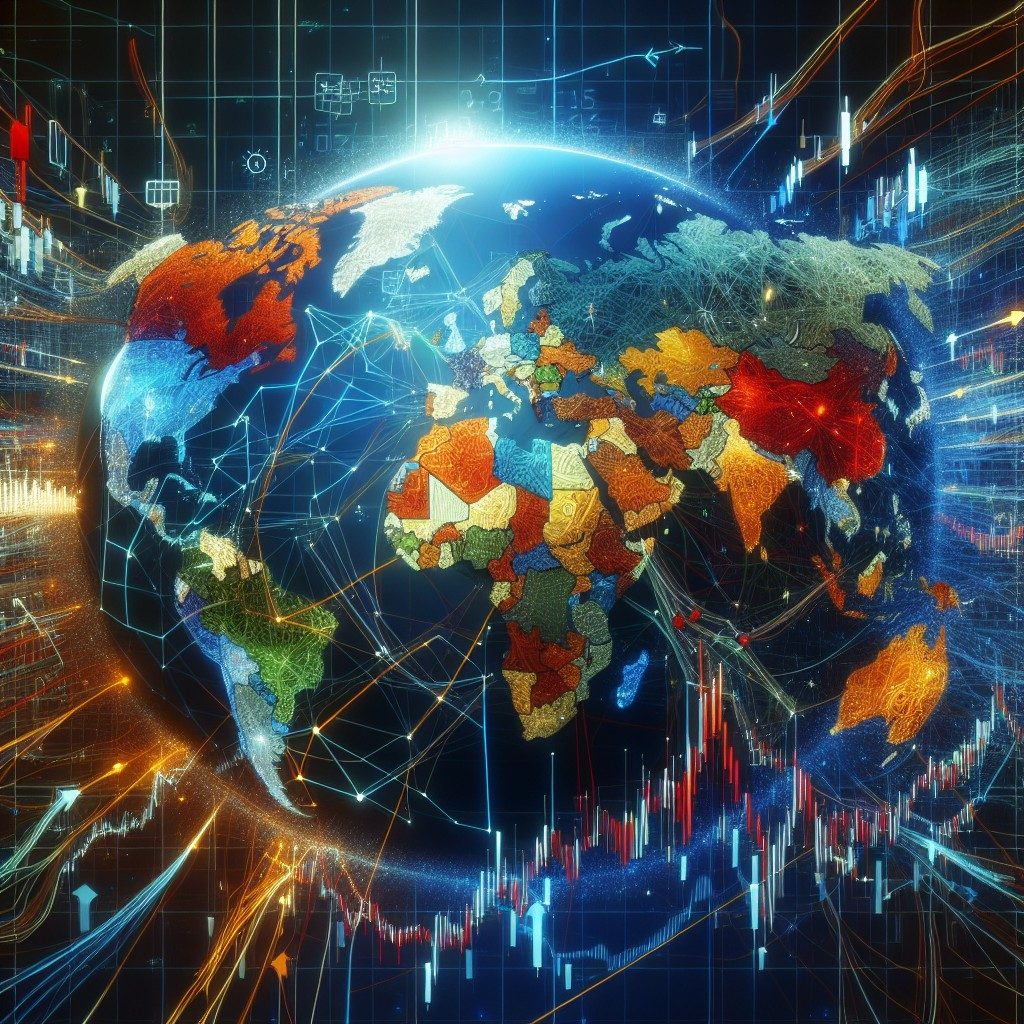
Election years often bring notable changes to financial markets across the globe. Investors and analysts closely watch political developments to gauge potential impacts on economies and asset valuations. Market responses during these times are commonly referred to as election volatility, reflecting the uncertainty and shifts that political events can introduce into financial systems.
The nature of election volatility in global markets
Election volatility refers to the fluctuations in market prices caused by electoral events and political transitions. Such volatility arises because elections may lead to policy changes, shifts in economic priorities, or altered international relations that affect investor confidence. This volatility is especially pronounced in markets sensitive to regulation, taxation, and government spending.
Historical patterns of election-related market behavior
Historically, markets have exhibited varied reactions to electoral cycles. In some instances, uncertainty during election campaigns results in subdued trading activity and increased price swings. Following elections, markets often react to the perceived stability or disruption posed by the new government. For example, bond markets may react swiftly to potential shifts in fiscal policy, while equity markets adjust to expectations about corporate profitability under new leadership.
Regional differences in election volatility impacts
Political shifts can influence markets differently depending on the region. Emerging markets frequently experience higher election volatility given political instability risks and reliance on foreign investment. In contrast, developed countries may show more muted responses but can still witness significant short-term market movements, particularly in sectors directly affected by policy changes such as energy, healthcare, or finance.
Investor strategies to navigate election volatility
Investors often adopt strategies to manage risks associated with election volatility. Diversification across asset classes and geographies can help mitigate exposure. Additionally, some market participants increase liquidity ahead of elections to avoid forced selling during volatile periods. Monitoring credible sources and economic indicators allows investors to better anticipate possible outcomes and their market implications.
The role of major international institutions in election volatility analysis
International institutions, including central banks and financial watchdogs, contribute to assessing election volatility by providing economic forecasts and stability assessments. Their reports inform market participants about potential macroeconomic impacts of political changes. The Financial Stability Board and organizations like the Bank for International Settlements regularly evaluate risks linked to electoral developments and advise policymakers accordingly.
Conclusion
Election volatility remains a significant factor influencing global financial markets during election years. While the degree and nature of market responses vary by country and context, the underlying uncertainty about future policy directions generally leads to increased market sensitivity. Going forward, improved transparency and communication from political actors and institutions may help moderate election-related market fluctuations, although the inherent unpredictability of elections ensures that election volatility will continue to shape investment landscapes worldwide.
Frequently Asked Questions about election volatility
What is election volatility, and why does it matter to investors?
Election volatility describes the market fluctuations caused by electoral events and political transitions. It matters because it reflects uncertainty that can affect asset prices and investment risk during election periods.
Do all elections cause the same level of election volatility globally?
No, the extent of election volatility differs by country and market. Emerging markets often face more pronounced volatility due to political instability and economic vulnerability, while developed markets might experience more moderate changes.
How can investors protect themselves from election volatility?
Investors can reduce exposure to election volatility through diversification, maintaining liquidity, and staying informed about political and economic developments prior to and during elections.
Are certain sectors more affected by election volatility?
Yes, sectors closely tied to government policy, such as energy, healthcare, or financial services, tend to experience greater election volatility because policy changes directly influence their operating environments.
Where can I find reliable information about election volatility and market impacts?
Reliable information on election volatility can be sourced from international financial authorities and reputable news organizations. Websites of institutions like the IMF or the International Monetary Fund offer valuable data and analysis on how elections affect markets.