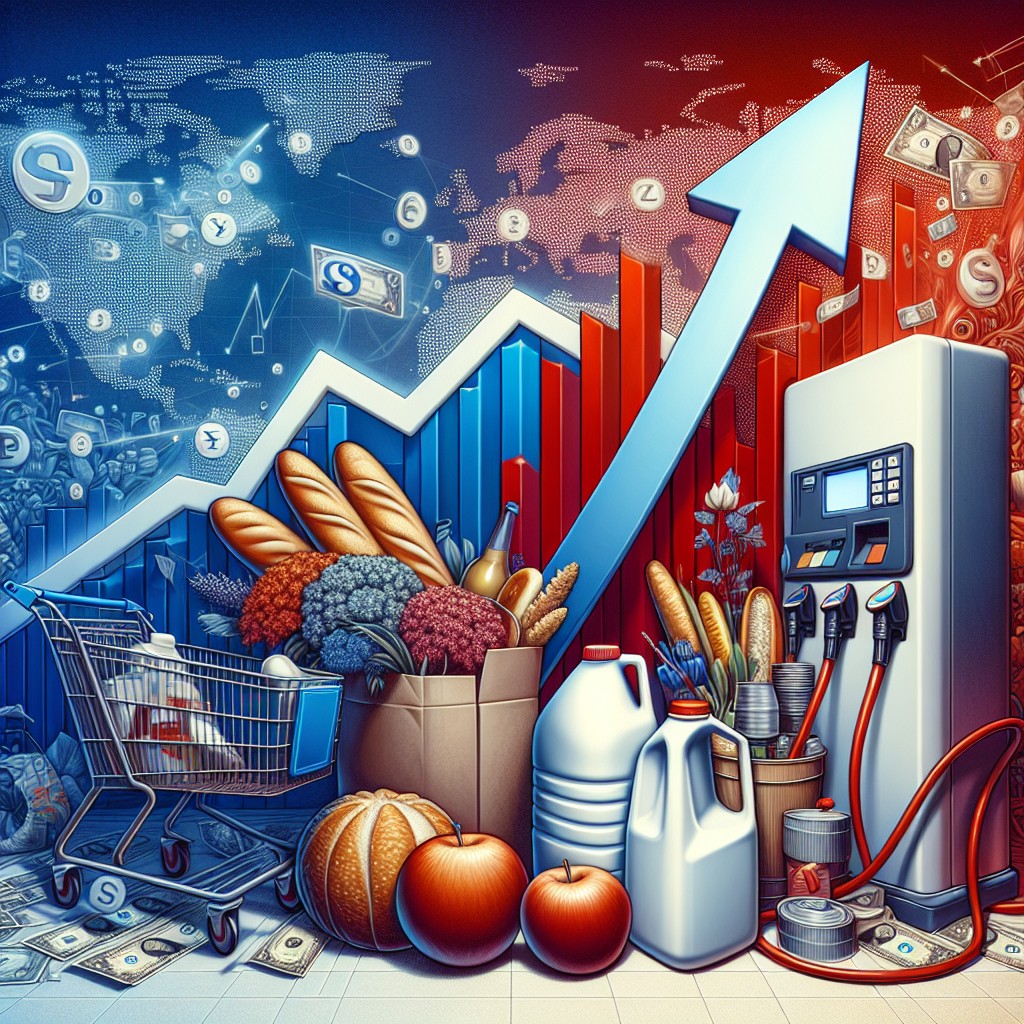
As the global economy continues to adapt to the aftermath of the COVID-19 pandemic and geopolitical tensions, analysts are turning their attention to 2026. The Price Forecast for various markets indicates potential shifts influenced by inflationary pressures, supply chain dynamics, and consumer behavior. Understanding these elements will be critical for businesses and consumers alike as they plan for the economic landscape ahead.
Inflation Trends and Their Impact
Inflation remains a central concern as economies recover. According to reports from the International Monetary Fund, inflation rates have surged in several parts of the world, primarily due to post-pandemic demand surges and ongoing supply chain disruptions. Analysts project that inflation will moderate by 2026, but will not return to pre-pandemic levels. This moderation will significantly affect the Price Forecast across various sectors, including food, energy, and housing. The varying inflation rates in different regions will also play a crucial role in determining local price trends and economic stability.
Market Trends Influencing Prices
The landscape for commodities and goods is evolving, influenced by factors such as technological advancements and changing consumer preferences. For example, the transition to green energy and renewable resources is expected to reshape pricing in the energy sector over the next few years. In industries like technology and automotive, innovations could lead to both cost reductions and increases in consumer prices as companies adapt to new manufacturing processes. Therefore, the Price Forecast for 2026 must account for these technological transformations and their potential effects on production costs and market pricing.
Consumer Behavior and Future Predictions
Consumer behavior is another critical factor that will influence the Price Forecast for 2026. As people become more conscious of sustainability and ethical consumption, businesses may need to adjust their pricing strategies. The rise of digital shopping and direct-to-consumer models will likely continue to disrupt traditional retail pricing structures as companies compete for consumer attention. These shifts in purchasing habits may further impact inflation rates, pricing strategies, and ultimately the overall market sentiment in 2026.
Frequently Asked Questions about Price Forecast
What factors contribute to the 2026 Price Forecast?
The 2026 Price Forecast is influenced by inflation trends, market dynamics, and consumer behavior patterns.
How does inflation affect the Price Forecast?
Inflation directly impacts prices as increased costs for goods and services tend to raise overall pricing expectations in the Price Forecast.
Are there specific markets expected to see significant changes in their Price Forecast?
Yes, sectors like energy and technology are predicted to experience considerable shifts in their Price Forecast due to evolving consumer demands and technological advances.
How can businesses prepare for the 2026 Price Forecast?
Businesses can analyze trends to adapt their pricing strategies, control costs, and align with consumer expectations as indicated in the Price Forecast.
Where can I find reliable information about the Price Forecast?
Reliable information regarding the Price Forecast can be found through resources such as the International Monetary Fund, financial news outlets, and market research publications.